
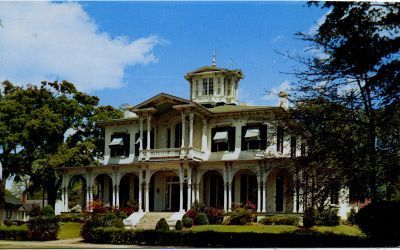
If you’ve ever wondered whether a library can feel a little bit magical, let me take you back to one of the most enchanting chapters in TPL’s history — the years when Tuscaloosa’s public library lived inside a mansion.
Yes. A mansion.
After outgrowing its basement beginnings, the library moved into the Jemison–Van de Graaff Mansion, one of the most iconic historic homes in Tuscaloosa. And suddenly, everyday library life had a backdrop of grand staircases, tall windows, ornate details, and rooms that looked like they were waiting for a period drama to be filmed.
Imagine a child’s first glimpse of the library: chandeliers instead of fluorescent lights. Then picture choosing your next book in a room where generations of Tuscaloosans once hosted parties, dinners, and dances. Finally, step into storytime in a space that seemed to have stories of its own.
It was whimsical. It was unexpected. And it was wonderfully Tuscaloosa.
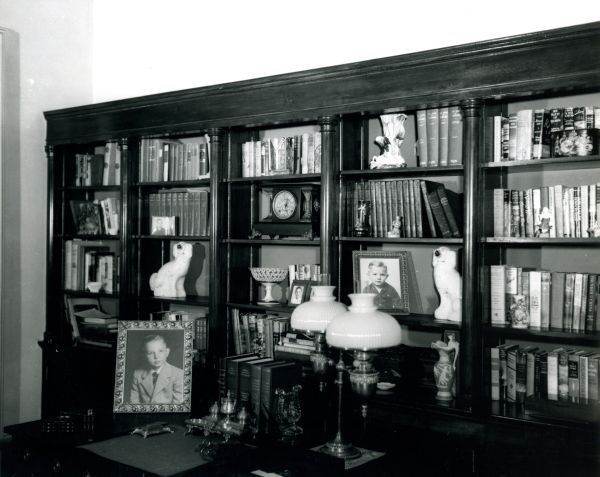
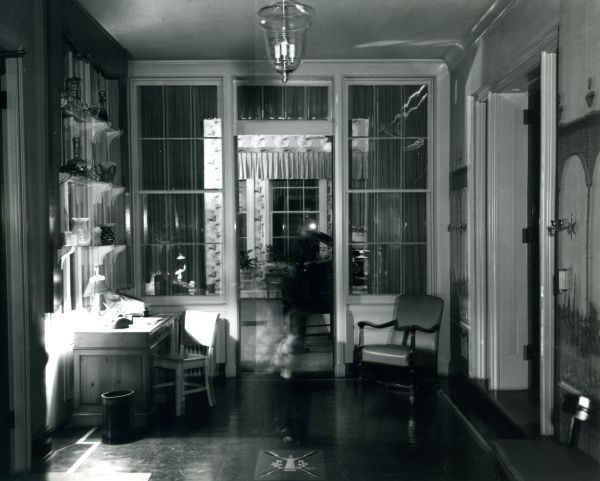
The mansion years gave the library a sense of presence — a feeling that TPL wasn’t just a place to borrow books, but a place woven into the city’s cultural fabric. Patrons remember the creak of the floors, the echo of footsteps down the hall, and the way sunlight poured through tall windows onto shelves full of possibility.
And while the mansion wasn’t a permanent solution, it was a beloved chapter. A reminder that libraries can live anywhere as long as people believe in them.
The mansion years also marked a turning point. TPL was no longer a small basement operation. It was becoming a true community institution, one that needed space to expand, innovate, and welcome more people through its doors.
But before that could happen, the library had one more stop to make.
Next up in the series: The Searcy House — a cozy, transitional home that helped TPL bridge the past and the future.