
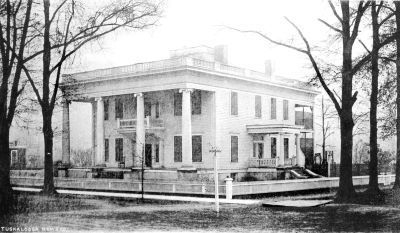
By the time the Tuscaloosa Public Library left the Jemison–Van de Graaff Mansion, one thing was clear: Tuscaloosa’s library was growing faster than its buildings could keep up.
The basement had been too small. The mansion had been magical, but temporary. And the community kept asking for more — more books, more space, more services, more room to gather.
So TPL packed its shelves once again and moved into its next home in 1935: the Searcy House.
The Searcy House wasn’t grand like the mansion. It didn’t have chandeliers or sweeping staircases. But it had something just as important — room to breathe. It was a sturdy, welcoming historic home that gave the library space to settle, expand, and imagine what it could become next.
Patrons remember the feeling of walking into the Searcy House: the creak of old floors, the cozy rooms converted into reading spaces, the sense that the library was becoming more rooted in the everyday rhythm of Tuscaloosa life. It felt like a place where stories belonged — not just in the books, but in the walls.
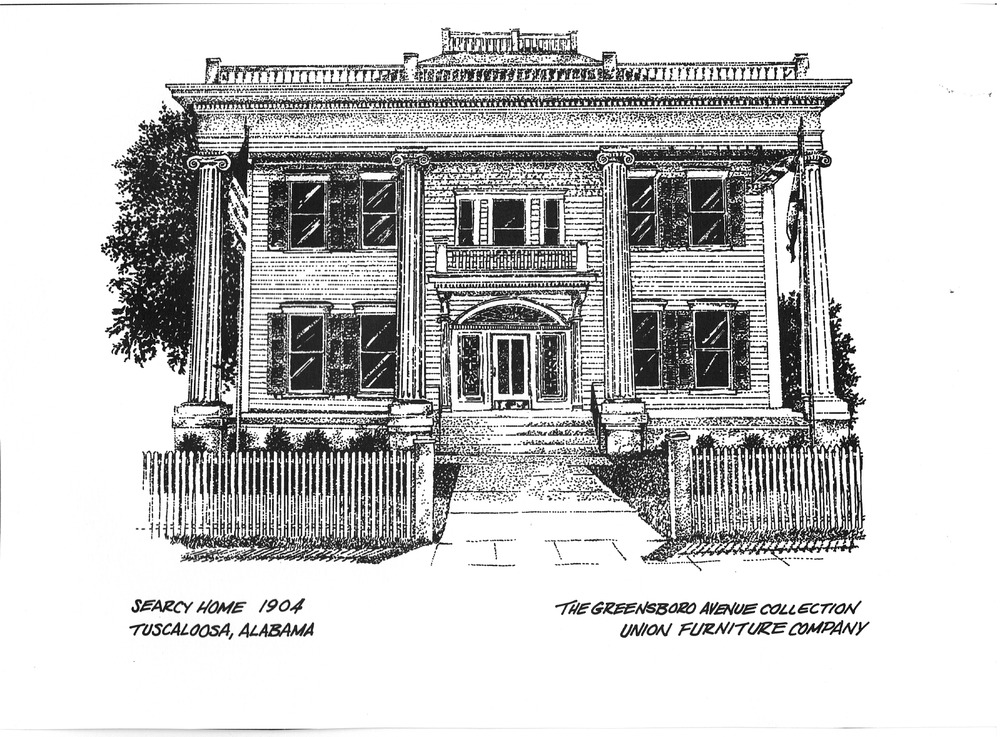
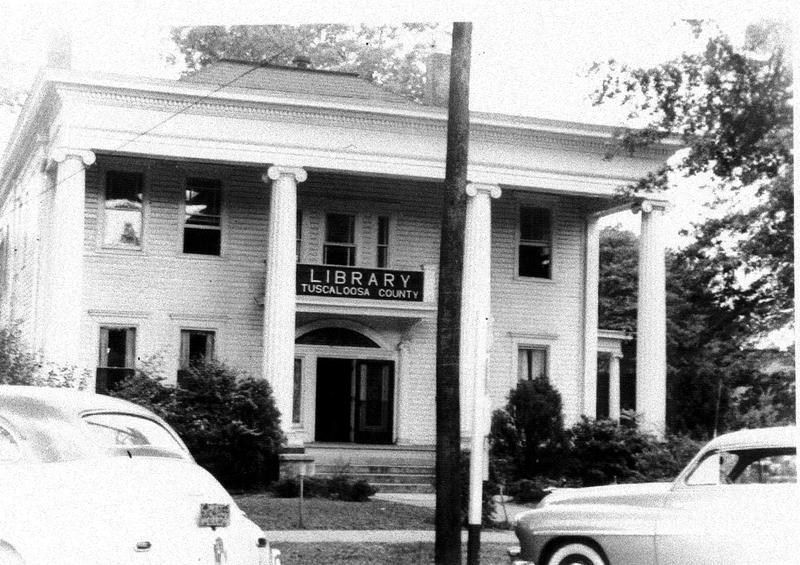
The Searcy House years were a bridge between eras. The library was no longer a small operation tucked into borrowed spaces — it was becoming a true community institution, one that needed room to grow and a home that reflected its expanding role in Tuscaloosa.
And while the Searcy House was beloved, it was clear that TPL was ready for its next chapter. The community was reading more, gathering more, asking for more. The library needed a space that could keep pace with its momentum. A place where collections could expand, programs could flourish, and Tuscaloosa’s cultural life could take center stage.
That next home would be unlike any the library had lived in before.
Because after the Searcy House, TPL moved into a historic landmark with a personality all its own — a place that blended architecture, art, and community in a way that helped shape the library’s identity for years to come.
Up next in our series: The Friedman Library Era — when TPL became a cultural center.