

By 1958, the Tuscaloosa Public Library had a familiar problem. It was growing. Again.
The Searcy House had served the community well for more than three decades, but shelves were filling, collections were expanding, and Tuscaloosa’s appetite for learning continued to outpace the space available. The collection had grown to more than 40,000 books, and circulation topped 300,000 checkouts a year. For a library that had started with a handful of shelves in a courthouse basement, that kind of growth was remarkable. Tuscaloosa wasn’t just supporting the library anymore. It was using it.
So TPL packed its books once more and moved into what would become one of the most beloved homes in its history: the Friedman Library, located in the historic Jemison-Friedman home on Greensboro Avenue.
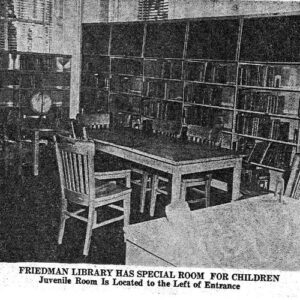
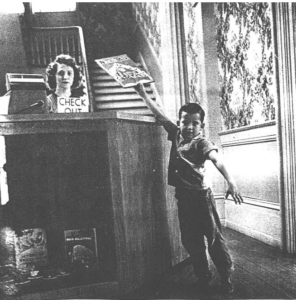
If the courthouse basement was humble and the Searcy House was comfortable, the Friedman Library felt extraordinary. The building itself was a landmark. High ceilings, elegant architecture, and grand rooms gave visitors the sense that they were entering something more than a library. They were stepping into a place where history, culture, and learning lived side by side. And the library rose to the occasion.
The larger space allowed TPL to offer services that would have been difficult to imagine in its earlier homes. New collections expanded. Meeting spaces welcomed community groups. Art displays and exhibits brought local creativity into public view. The library became a destination not just for books, but for ideas. One of the most innovative additions was a growing music collection, complete with listening equipment and phonograph records. Long before streaming services and digital downloads, library patrons could explore music from around the world through resources available right on site.
During the Friedman years, TPL evolved from a traditional lending library into something broader: a cultural center for the community. Art, music, literature, and public life all found a home within its walls. During the Friedman years, TPL evolved from a traditional lending library into something broader: a cultural center for the community. Art, music, literature, and public life all found a home within its walls. As Tuscaloosa continued to grow, the library grew alongside it, expanding collections, services, and opportunities for lifelong learning. The mission remained much the same as it had been from the beginning: connecting people with information, ideas, and the joy of discovery.
For more than twenty years, generations of Tuscaloosa residents climbed the steps of the Friedman Library in search of information, inspiration, and connection. Many still remember the experience of borrowing a book in one of the city’s most recognizable historic homes. But even this remarkable building could not contain the library’s future forever.
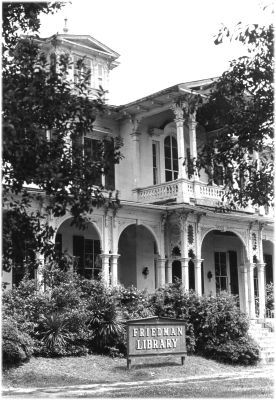
Once again, TPL was outgrowing its space. And the next chapter would be its boldest yet.
The library would leave its historic house behind and move into a building designed specifically for modern library service, overlooking the Black Warrior River.
Up next in our series: The Riverfront Era — when TPL moved to Jack Warner Parkway and entered the modern age.